At Medix RCM Solutions, we are committed to upholding the highest standards of compliance with HIPAA, OSHA, and applicable state laws in the United States concerning the privacy and security of personal and protected health information. Whether related to patient health records or financial data, we ensure our operational processes strictly adhere to all relevant regulations.
We take the privacy and security of patient information seriously. All members of our billing, coding, and transcription teams—as well as our broader workforce and business associates—are fully compliant with HIPAA regulations and the internal HIPAA policies set by Medix RCM Solutions.
Any team member who interacts with protected health information (PHI) receives comprehensive training on the procedures necessary to safeguard that data. Patient information is never disclosed to anyone outside the scope of our client’s authorization, except to designated employees directly involved in managing the client’s account.
The Occupational Safety and Health Administration (OSHA) was established in 1971 under the Occupational Safety and Health Act of 1970. Its primary mission is to ensure safe and healthful working conditions for employees by setting and enforcing standards, as well as providing training, outreach, education, and assistance. OSHA also supports state efforts to maintain workplace safety through research and regulatory guidance.
What is HIPAA
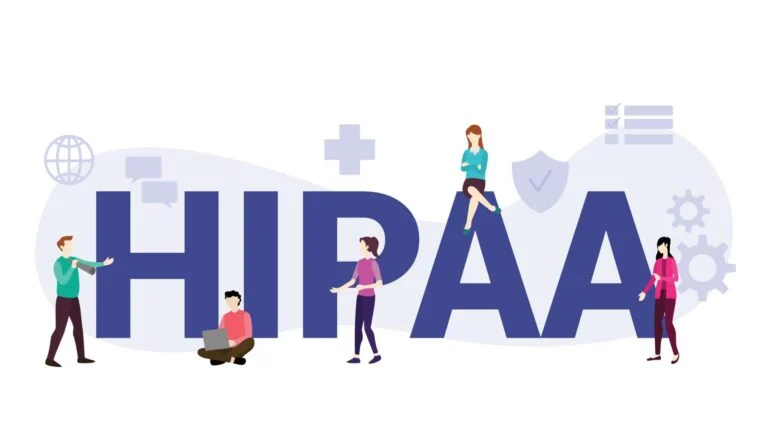
The Health Insurance Portability and Accountability Act (HIPAA) of 1996 is a federal law designed to protect sensitive patient health information from unauthorized access or disclosure. The HIPAA Privacy Rule, issued by the U.S. Department of Health and Human Services (HHS), sets national standards for protecting medical records and other personal health information. In addition, the HIPAA Security Rule safeguards electronic protected health information (ePHI) through administrative, physical, and technical security measures.
HIPAA Privacy Rule
The HIPAA Privacy Rule governs how certain organizations, known as covered entities, may use and disclose an individual’s protected health information (PHI). It also grants individuals rights over their health data, including the right to access and control how their information is shared. The primary goal of the Privacy Rule is to safeguard individuals’ health information while still allowing the flow of necessary data to support high-quality healthcare and public health protection. It establishes a careful balance—ensuring privacy without compromising the availability of information essential for patient care and healthcare operations.
Importance of HIPAA
The Health Insurance Portability and Accountability Act (HIPAA) is crucial for protecting the privacy and security of patients’ healthcare information. It enhances personal data protection, prevents discrimination, and ensures the secure sharing of confidential health records. HIPAA also streamlines administrative processes within the healthcare industry by enforcing standardized code sets and national identifiers. Covered entities are required to implement robust safeguards—such as strong passwords, data backup plans, and system audits—to reduce errors and maintain data integrity. Overall, HIPAA plays a key role in building patient trust and improving the efficiency and safety of healthcare operations.
Testimonials
"We've worked with MedixRCM for over a year now, and the difference in our billing process is night and day. Clean claims, faster payments, and fewer denials. Highly recommend their team for any medical practice looking to optimize revenue."
"MedixRCM truly feels like an extension of our practice. Their team is always available, answers questions promptly, and handles our coding and billing with complete professionalism. We’ve seen a 25% improvement in collections since switching."
"We’re a cardiology group, and billing can be complicated—but MedixRCM knows exactly how to navigate the nuances of our specialty. Their attention to detail and accuracy in coding has been impressive."
"Our biggest fear was switching billing providers and integrating with our EHR. MedixRCM made the process seamless. They support our EHR without any workflow disruptions. Truly a smooth transition."
"We’ve tried other RCM companies, but none compare to the consistency and transparency we get from MedixRCM. Weekly reports, clear communication, and real results. They've earned our trust."